
How to Install a Kitchen Sink Without Leaks or Rework
September 17, 2026
Avg Response Time< 60 min
Average Rating 4.7 ★
Top Rated Contractors
Trusted Services
Available Locations
Areas Where Our Partners Provide Epoxy Pipe Coating Services
We work with pipe lining contractors in Illinois, Pennsylvania, and Washington to restore damaged pipes. Our partners offer epoxy coating and trenchless repairs available in all major states nationwide.
Epoxy Coating Basics
What is Epoxy Pipe Coating and Epoxy Pipe Lining?
An epoxy pipe coating and epoxy pipe lining is a trenchless repair method where tubing coated with epoxy resin is inserted into damaged pipes, creating a new inner pipe wall without excavation. Epoxy coating for pipes hardens inside corroded or cracked lines, sealing leaks and preventing water quality contamination from rust.
Epoxy lining for pipes restores full water pressure and flow by eliminating rough surfaces that slow delivery to fixtures. The process takes 4 to 8 hours, depending on pipe length.
Understanding Epoxy Pipe Systems
Epoxy pipe systems protect traditional water lines by coating interiors with hardened epoxy resin, sealing cracks and leaks. Our partners insert epoxy-saturated tubing into damaged pipes, where it cures and bonds.
Pipes age from water chemistry deteriorating copper and galvanized steel over decades, but epoxy coating extends lifespan over 50 years with maintenance like occasional flushing and annual inspections.
Epoxy Pipe Coating vs Pipe Replacement
Coating suits minor cracks, pinhole leaks, and corrosion spots in pipes with structure, whereas full replacement becomes required in damaged pipes.
Consider coating first to avoid excavation, but when pipes show repeated failures or major ruptures, our network of plumbing repair services specialists recommends replacement to ensure reliable water delivery.
How Does Pipe Resin Work in Lining?
Pipe resin works in lining when technicians insert a tube coated with epoxy resin into damaged pipes through a single access point. The resin hardens and bonds to the interior walls, sealing all cracks, holes, and corrosion spots throughout the pipe system. The hardened epoxy layer blocks water leaks and prevents rust and minerals from entering the water supply.
Difference Between Epoxy Coating, Epoxy Lining, and Resin Pipelining
Epoxy coating is a thin protective layer sprayed onto interior pipe walls to seal leaks and prevent corrosion in pipes. Epoxy Lining involves inserting a resin-saturated tube that hardens inside the pipe to create a new wall.
Resin Pipelining uses resin materials that cure and bond to damaged interiors without excavation, restoring commercial sewer backups with multiple fractures efficiently. Coating works for minor surface damage, while lining and pipelining tackle structural failures in longer pipe sections.
Epoxy Coating Guide
How to Choose Epoxy Pipe Coating?
To choose epoxy pipe coating, follow the five steps listed below.
01
Inspect Your Pipe Condition
Examine interior damage and determine coating suitability.
02
Evaluate Pipe Material Type
Confirm pipe material since copper, galvanized steel, and PVC respond differently to epoxy treatments.
03
Verify Water Pressure Requirements
Check water pressure and flow rates to ensure enough delivery throughout your home.
04
Schedule Professional Assessment
Evaluate the full network and recommend epoxy coating if damage severity warrants treatment.
05
Compare Contractor Credentials
Verify technician certifications, warranty coverage, and project timelines before approval.
Find Trusted Specialists
Call a Specialist
Why Choose WhatsDemand when finding Pipe Coating Services?
Choose WhatsDemand when finding pipe coating service because we partner with licensed epoxy specialists who deliver repairs without excavating your yard. Our network contractors have used proven epoxy technology to seal cracks, restore water pressure, and protect pipes for over 8 years. We will connect you quickly through WhatsDemand with specialists ready to assess and treat your water lines.
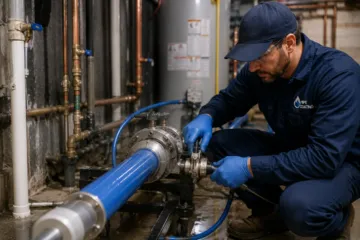
Epoxy pipe coating lasts 50 years or longer, depending on water chemistry and household usage patterns. The hardened resin seal maintains structural integrity and water flow performance throughout the extended lifespan. Regular maintenance inspections every 5 years confirm coating condition and prevent unexpected failures.
Replace epoxy pipes by reapplying new epoxy lining if the original coating deteriorates, or removing the damaged section and installing fresh copper or PEX piping. Technicians assess if re-lining is viable based on the pipe's remaining structural integrity and the scope of failure. Residential replacements take 4 to 8 hours, depending on pipe length and accessibility.
Yes, epoxy is safe for sewer and drain pipes when applied. Epoxy coatings seal cracks, prevent root intrusion, and block sewage leaks without creating hazardous fumes or contaminating groundwater. The hardened resin remains inert and stable inside pipes without degrading or releasing toxic substances.
Yes, epoxy fixes broken pipes without digging through trenchless lining technology that restores damaged sections from existing access points. Technicians insert epoxy-saturated tubes into fractured pipes where the resin hardens and creates a new layer sealing cracks and breaks.
The difference between epoxy liner and pipe replacement is that lining seals broken pipes from the inside without digging, while replacement removes old pipes and installs new ones, requiring excavation. Epoxy lining takes 4 to 8 hours, while replacement involves trenching and longer project timelines.
Our News and Articles
Latest Blogs & Articles
Septic Alarm Going Off? Causes, Immediate Steps, Testing & Prevention
September 16, 2026
How to Remove and Replace a Washing Machine Hose
September 16, 2026
Need Help Right Now?
Our team is standing by to connect you with a trusted local professional.
Call Now: (325) 313 6982Free to call • No hold times • Available 24/7